One of the works I have been particularly interested in during my research is Tristan Schulze’s ‘Equilibrium’, a performance work in which he acted ‘as’ the code and drew illustrations on a wall based on instructions.
The information online was quite vague in terms of the process, so I sent an email to get some more insight into the process.
Sounds great. Here we go:
> What are the rules and conditions that you works under, and how did you
> decide on them?
They came actually from the very basic drawing process with inkpen or with brush and ink. I was wondering what the transformation of the simple line in rotation, curve, dotting,… can create in respect to create a more complex form. I come from computational background, so there you often work with loops of rules and conditions. So this is what i translated into some analog manner. It came along, that some simple rules i created on the fly made me create interessting shapes and patterns, i could have never planned. –
in practice it was like this:
#1
first i doodled something on sidepaper as soon as an interesting “Rhythm” appeared.
#2
Then i tried to describe it with rules like this:
– : draw a short line from top to bottom,
– : rotate around 2 degree
– : draw next line (loop)
– : if next line will hit another line, rotate paper around 180 degree and find a new anchor around your last entry
#3 occasionally i developped a bunch of rules for each piece to mix them up.
> How much freedom did you allow yourself to stay from these rules?
As soon as you have some kind of ruleset to draw after, there will be situations you are stuck – either the drawing will look boring or too chaotic. To balance this is quiet a challenging part. I try to stick to the ruleset as tight as possible, but if it gets to dense, i often quit to work on that specific area to work somewhere else. After a while or while paper rotation, the puzzle solved itself quiet often. – i also updated the rulesets to suit the new needs and fit the old needs too.
> How did visitor input influence the process?
It was a bit like a strange camping trip. The guys from the gallery were there quiet often and we drank a lot. I had a childrens group in the room an one really strange oldschool techno guy. I liked they visited the place and the accompany. From the performing artist perspective it was quiet disturbing. Next time i like to close it up totally to see what happens.
> Would you say that the process limited or enhanced your creativity? Was it
> a rewarding artistic experience?
I like it a lot, when i write a program, that surprises me. This is really rewarding. The same is with the drawing. Not only as a visual product, but also from what i experience with it. It is not quiet like meditation – it is different – it needs a lot of focus but on the same time you have the feeling you dig out something yet unknown. It is also challenging – if you are not awake, then you run into boring results. That is also what i also like about the chinese ink – you cant remove it – so every line it set.
It is fun to think these performances through. I think i will do another somewhere. In the moment i focus more to the digital side but I think that the body is a very central part in how we percieve rythm, aetsthetics – how exactly? i your have a glimpse – hihi!
I hope my answers are somewhat helpful for you?
Many greetings from Leipzig
Tristan
I found this quite intriguing although still a bit difficult to follow.
Some relatively unsuccessful attempts at emulating the technique he used:


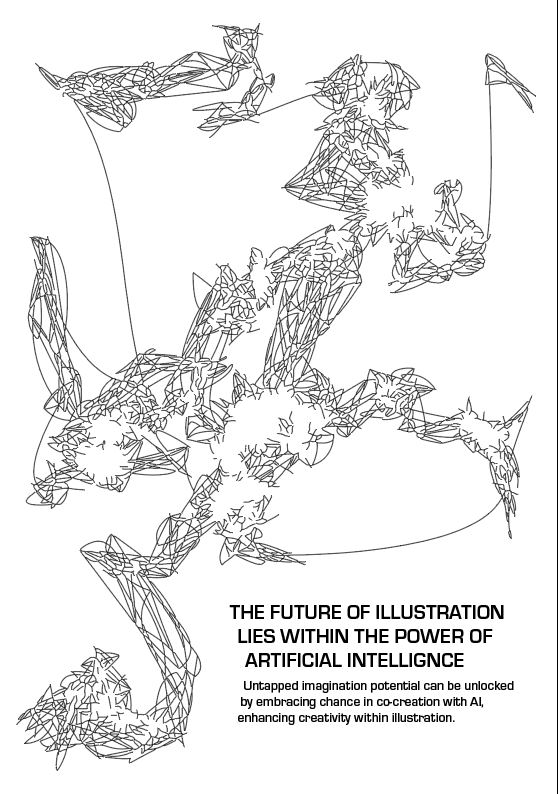


 VCD 453 - Jason Fastier